Introduction
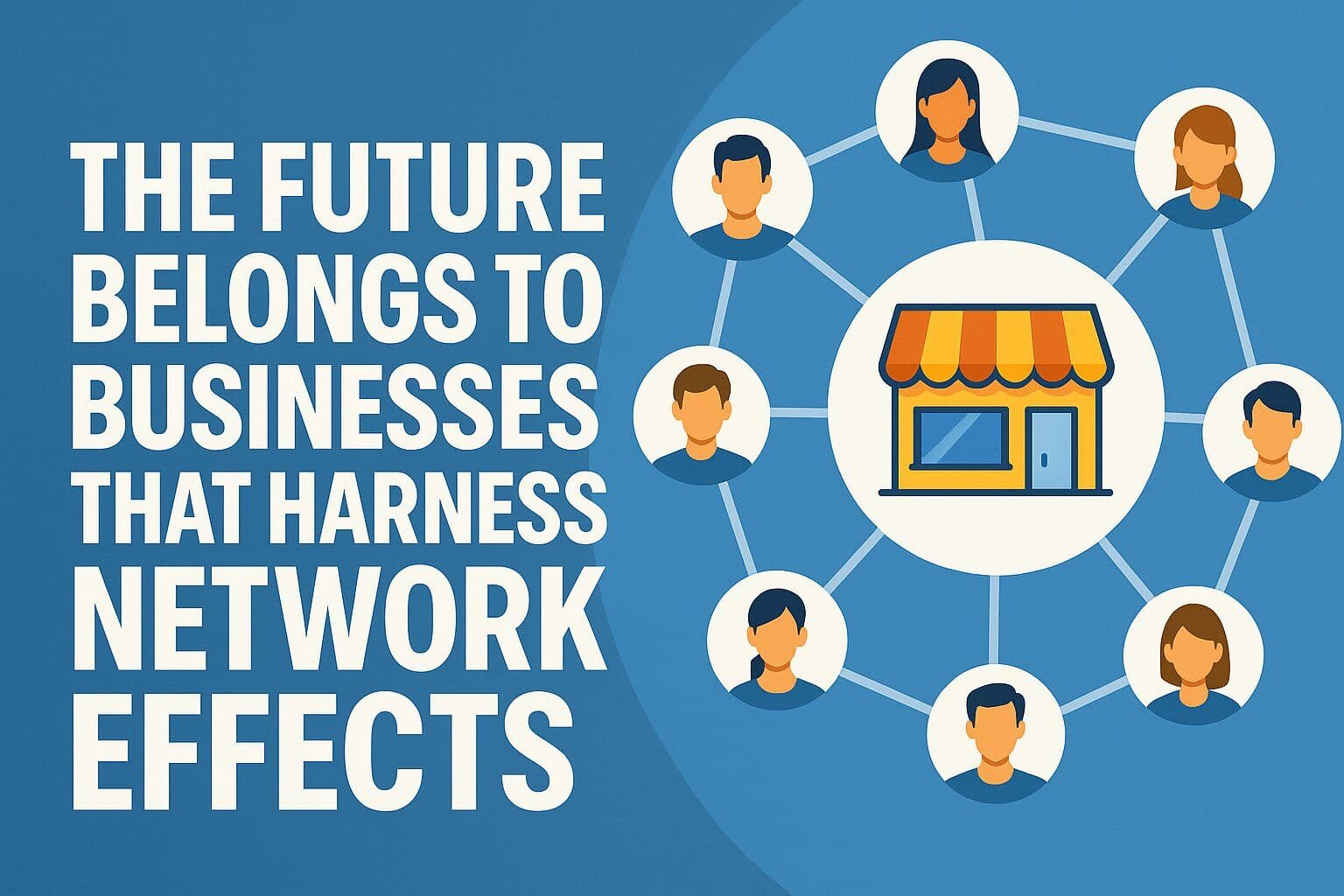
Many successful platforms share a common characteristic: they become more valuable as more people use them.
This phenomenon is known as a network effect.
In traditional software businesses, growth often depends on continuous marketing and customer acquisition. Platforms with network effects operate differently.
As the network grows, the system itself becomes more useful — attracting additional users naturally.
For operators building booking, rental, or service platforms, understanding network effects can shape how a platform evolves over time.
What Are Network Effects?
A network effect occurs when the value of a product or platform increases as participation grows.
Examples appear across many industries:
- communication platforms become more useful as more people join
- marketplaces improve as additional vendors and buyers participate
- knowledge communities grow stronger as contributors add information
In these systems, growth does not rely solely on advertising or outreach. Participation itself creates value.
Why Network Effects Matter Today
Several shifts in the digital landscape make network effects increasingly important.
1. Customer acquisition costs continue to rise
Paid marketing alone is becoming more expensive. Platforms that benefit from organic participation often scale more sustainably.
2. Technology is easier to build
AI and modern development tools have reduced the barrier to creating software products. As a result, technology alone is no longer a strong differentiator.
3. Retention and participation drive long-term growth
When users interact with each other through a platform, they often have stronger incentives to return.
Platforms that encourage participation tend to build deeper engagement over time.
How Operators Can Build Network Effects
Network effects are not limited to large technology companies.
Operators running rental or service businesses can incorporate them by structuring platforms that encourage participation.
Examples include:
- allowing multiple vendors to offer services through a shared booking system
- creating shared customer discovery through searchable listings
- enabling reviews, feedback, and reputation systems
- allowing vendors to manage availability and inventory within a shared platform
As the network expands, both customers and vendors benefit from increased activity.
The Marketplace Advantage
Marketplaces naturally create opportunities for network effects.
Each additional vendor increases the variety of services available to customers.
At the same time, increased customer demand attracts more vendors to participate.
This feedback loop can strengthen the platform over time.
However, when businesses rely entirely on external marketplaces, the network effect benefits the platform provider rather than the operator.
Building infrastructure that supports your own vendor network allows the benefits of growth to accumulate within your ecosystem.
Infrastructure That Supports Network Growth
Modern booking infrastructure makes it easier to build platforms that support network participation.
Platforms such as Bookzia allow operators to create systems where:
- vendors manage listings and availability
- customers discover services through search and booking pages
- payments and payouts are handled automatically
- operational workflows remain organized as participation increases
This structure allows platforms to evolve gradually from a single business into a broader service network.
Final Thoughts
Network effects are one of the most powerful forces behind successful digital platforms.
When a system becomes more useful as more people participate, growth becomes easier to sustain.
For operators building booking or service platforms, designing systems that encourage participation can transform a simple website into a growing ecosystem.
Over time, platforms that harness these dynamics tend to become stronger as their communities expand.